Company Spotlight: Forg3d
April 29, 2026
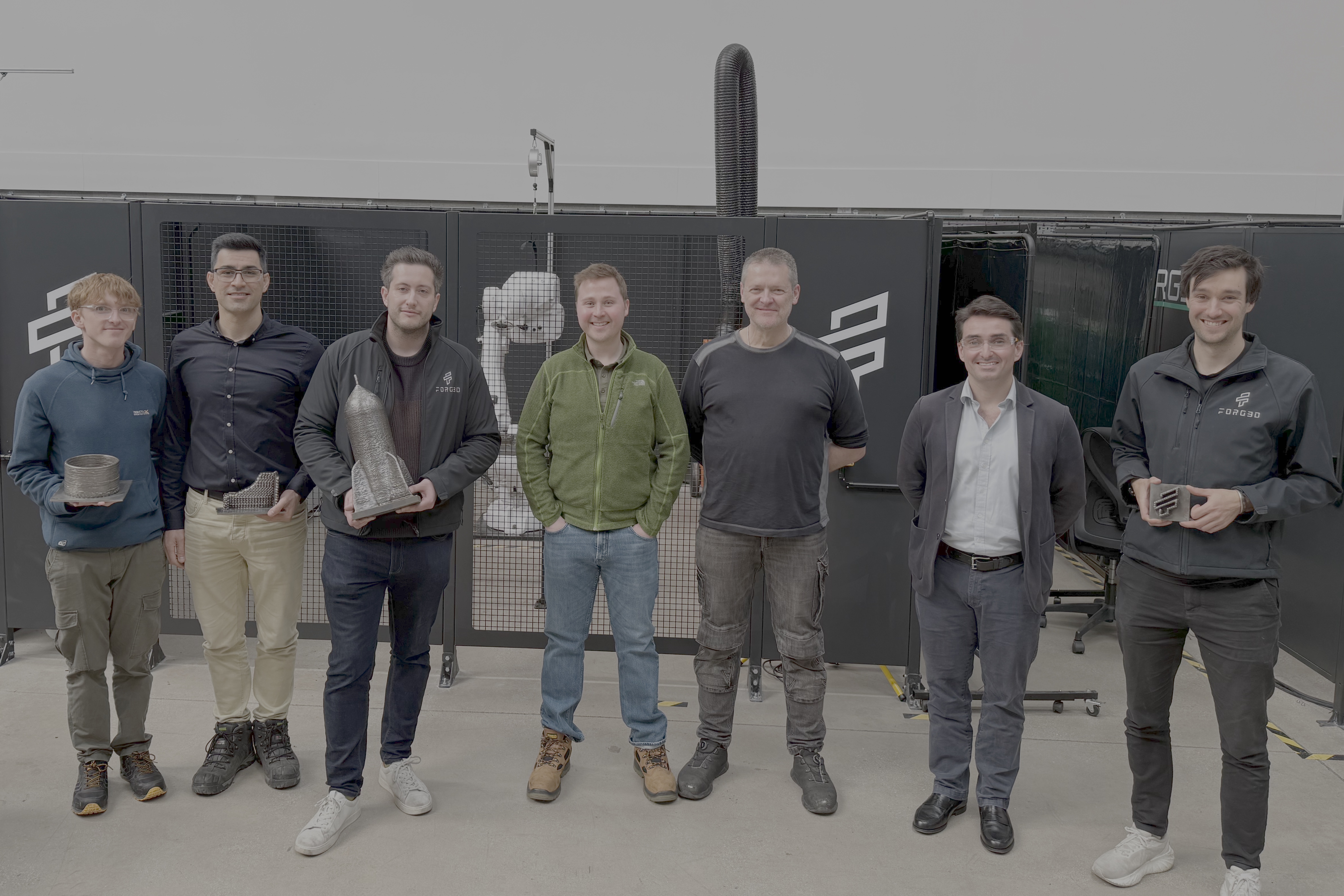
Following MD One's continued backing, Will McManners caught up Forg3d to meet their scaled team and see enhanced capabilities.
Richard Mincher is the Founder and CEO of Forg3d, an advanced manufacturing startup based in the UK and scaling fast, with ambitions to enter the US market where Reindustrialisation is booming. Since MD One's initial investment, Forg3d has built out its team, expanded its materials capability, and secured paid orders across Aerospace, Defence, Space, and Energy. Will McManners spoke with Richard about the company's full-stack manufacturing platform, which is redefining sovereign metal manufacturing by upgrading a millennia-old forging process for the Digital Age.
How has the business progressed since MD One first invested?
A lot. We've built what I genuinely believe is the strongest team in Europe — experienced WAAM engineers from Cranfield University, the leading institution globally for this technology, who have all worked across critical sectors on leading development programmes. Beyond the team, we've secured paid projects and orders across Aerospace, Defence, Space and Energy, including Fusion. We're rapidly developing core technologies in-house, and our materials capability has expanded significantly: we're now printing in steel, Invar, Inconel and titanium, with aluminium and Nickel Aluminium Bronze coming online shortly. The core lesson from the journey so far is the same one I started with — make decisions fast and don't look back. Hindsight always has an Instagram filter.
Do you have any news on contracts, products or pipeline you can share?
We've secured follow-on projects with the UK Atomic Energy Authority for some exciting Fusion sector work, and there's something special brewing with a major Aerospace Prime that we unfortunately can't share yet. The order book across our four target sectors is building quickly.
How have Forg3d's target markets grown or changed since you founded the company?
Initially I assumed it would be Defence, but Aerospace, Space and Energy have all become major areas for us. The push for re-shoring — and especially sovereign supply chains — has triggered a fundamental shift in how the manufacturing sector is viewed and how it operates.
How do you plan on retaining your lead in an increasingly competitive and crowded market, and what are the next products in your development pipeline?
Fast execution and collaboration. We solve part of the puzzle, and because the opportunity is so big, it makes more sense to collaborate with others who complement us than try to do everything and never get it off the ground.
Development-wise, software and monitoring. We're upgrading the software we use internally into something pretty special and, we think, unique in the market. Materials capability is the other axis — adding aluminium and Nickel Aluminium Bronze is near term, and we've started early exploratory work into refractory metals, including Tungsten, for large-scale 3D printing and repair applications.
How do you see your product giving an edge to allied National Security?
True resilience means being able to produce. Stockpiling helps, obviously, but we need to be able to make and then keep making whatever it is we need at that moment in time. This is why we believe flexible manufacturing through Digital Metal Forming vs. traditional forging is a critical next step.
National security tends to make people more open to futuristic ideas and visions, whereas commercial markets want clear solutions now. For Aerospace we promote a 'wire to wing' or turnkey manufacturing concept; for national security we emphasise sovereign supply chains. If we're serious about building nuclear reactors, we need a British supply chain. Look at what happened with British Steel recently.
Have you noticed any improvements or government willingness to adopt new technologies recently?
It's definitely giving private investors more confidence to invest in less traditional tech startups like ours. We're hoping to see more support from government given this is classed as a critical technology.
Where do you see the future of the business?
We're growing fast and we're about to start building out the software stack significantly — that will be a key area of focus. Top of the development list is our real-time monitoring system to support rapid development and ultimately qualification. Beyond that, the refractory metals work is genuinely exciting; if we can crack large-scale Tungsten printing and repair, that opens up applications that are essentially impossible today.
There are some market bottlenecks we need to address. The sectors we target tend to be conservative, for obvious reasons, but even there I've seen a shift in the last 12 months. The feedback we're now hearing is that the innovations we offer are no longer a nice to have but a necessity.
How did you get interested in your sector initially?
I grew up with manufacturing — a family business our parents built from the ground up — so I got to see how awesome it can be. Being exposed to Energy, Aerospace and even Space projects made it even easier to dive into. That's probably why I was so determined to set up Forg3d: to unlock the potential of additive manufacturing after seeing firsthand the challenges of how we currently make things.
Find out more: https://forg3d.ai
About MD One Ventures:
Founded in 2021 as Europe's first National Security specialist VC, MD One Ventures is a Venture Capital firm investing in Pre-Seed to Series A National Security technology companies.
Recent News
SatVu launches HotSat-3
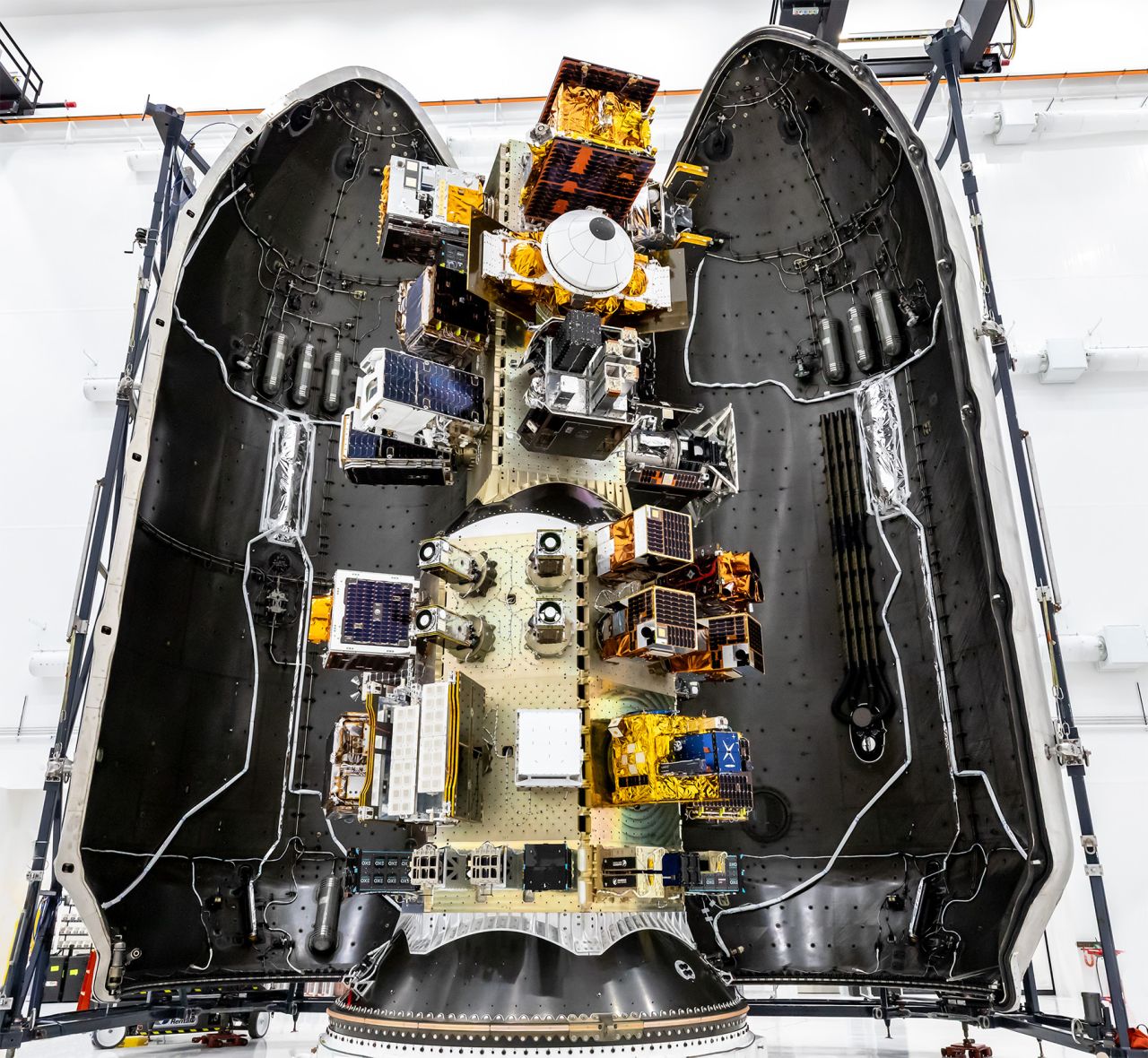
SatVu Doubles Constellation Capacity with Successful Launch of HotSat-3

2025 UK Defence Tech Report
MD One Ventures and Beauhurst release the 2025 Defence Technology Report
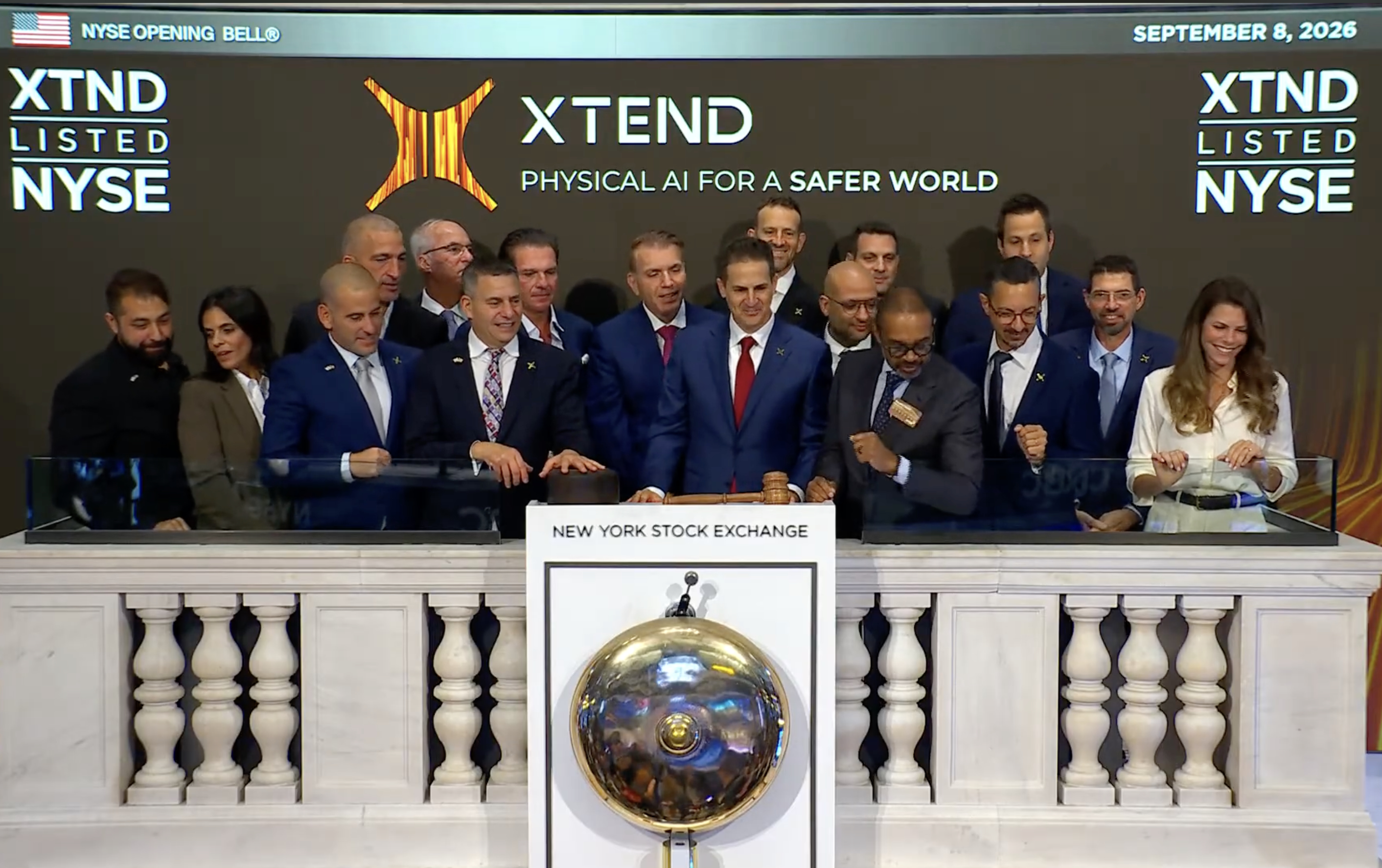
XTEND Rings the Opening Bell at the New York Stock Exchange
MD One portfolio company completes $1.5bn business combination and begins trading as XTND on the New York Stock Exchange.
SatVu launches HotSat-3
SatVu Doubles Constellation Capacity with Successful Launch of HotSat-3
2025 UK Defence Tech Report
MD One Ventures and Beauhurst release the 2025 Defence Technology Report

%20copy.webp)